
8 Albanian Habits You Should Know: From Coffee Invitations to Evening Walks
Oct 20, 2026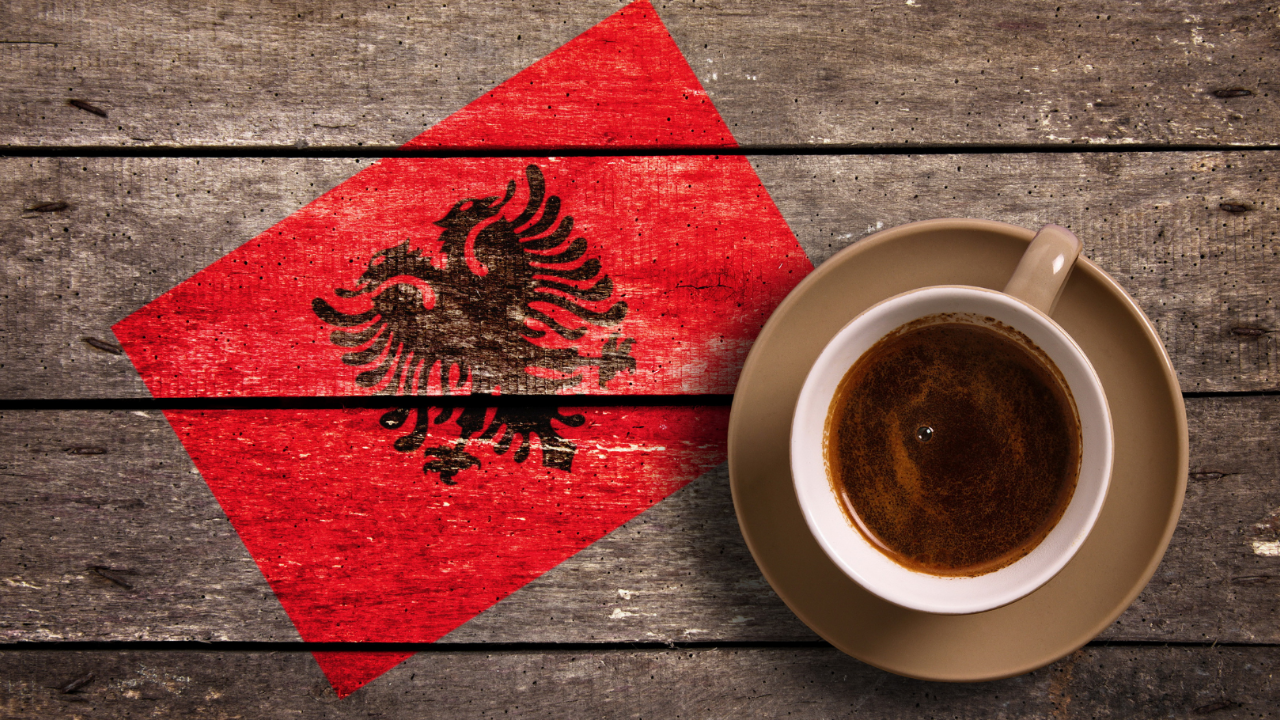
Have you ever visited an Albanian home and been offered more food, even after saying you're full? Or accepted an invitation for a quick coffee that turned into two hours of conversation?
If so, you've already experienced a little of Albanian everyday life.
Learning Albanian helps you communicate, but understanding the habits behind the words helps you connect with people. A question about whether you've eaten can be an expression of care. An invitation for coffee can be the beginning of a friendship. And a simple hello can lead to questions about your whole family.
Of course, habits vary between families, generations, and regions. You won't encounter all of these everywhere, but they're familiar enough that you'll probably recognize several when spending time with Albanians.
Here are eight Albanian habits to know, along with useful phrases you can try yourself.
1. “A ke ngrënë?” A question that shows care
In many Albanian families, this is one of the first questions you'll hear when you arrive home or visit a relative.
Someone might ask how your journey went, tell you to sit down, and then immediately check whether you've eaten. Before you've finished answering, they may already be opening the fridge or putting something on the table.
The question is practical, but it also carries affection. Preparing food is one way people look after each other, especially across generations. A parent or grandparent may find it easier to offer you a warm meal than to explain how much they've missed you.
You don't need a special occasion to be fed. Simply being there can be enough.
If you've already eaten, you can say:
And if you haven't:
Just be prepared: saying you've eaten may not stop someone from bringing out a little something anyway!
2. Coffee is an invitation to spend time together
This is a useful expression to learn because you may hear it often.
In Albania, meeting for coffee is a familiar way to catch up with a friend, take a break from work, discuss an idea, or get to know someone better. The drink gives you a reason to sit down together, but the conversation is often what matters most.
You might talk about family, work, plans for the weekend, or something that happened on the way to the café. One topic leads to another, and suddenly your quick coffee has taken up a good part of the afternoon.
And you don't necessarily have to order coffee. You can accept the invitation and choose tea, water, or another drink.
To suggest meeting later, try:
Or keep it simple:
If you're learning Albanian, these moments are also a lovely opportunity to practise. A relaxed conversation over coffee can help you use the language you've been studying.
3. An empty plate may lead to another serving
You've enjoyed your meal, thanked your host, and put down your fork. Then someone notices your empty plate.
“Have a little more!”
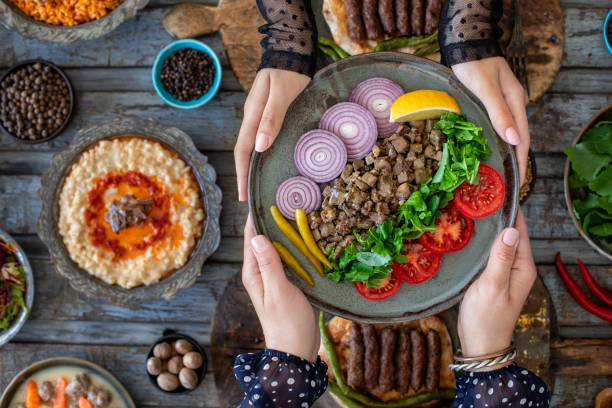
In many Albanian homes, offering plenty of food is part of welcoming guests. Hosts want you to enjoy yourself and leave feeling well looked after. They may offer another helping, bring out a different dish, or suggest that you at least try the dessert.
Sometimes you'll be asked whether you liked the food while another serving is already on its way to your plate.
You're welcome to enjoy the generosity, but you can also politely say that you've had enough:
A compliment makes the response even warmer:
Sharing a meal can be one of the easiest ways to feel included in an Albanian family. There's usually conversation around the table, and you may find that the meal lasts longer than you expected.
4. Paying the bill can become a friendly debate
At the end of a coffee or meal, you might witness a small competition over who gets to pay.
One person reaches for their wallet. Another insists that it's their turn. Someone else explains that you're the guest and should put your money away.
Occasionally, the whole discussion is settled before it starts because someone has quietly paid at the counter.
Treating someone is often a gesture of generosity, friendship, or appreciation. It can be a host's way of welcoming you or a friend's way of saying they're happy to spend time with you.
There's no single rule for every situation. Some friends take turns, others split the bill, and sometimes one person wants to treat everyone.
If someone pays for you, you can say:
And if you'd like to offer first:
5. Greetings often include the whole family
A greeting between people who know each other can go well beyond a quick hello.
You may be asked about your health, your work, your parents, your children, and anyone else the other person remembers. If you haven't seen each other for a while, there may be plenty to catch up on.
For Albanian learners, this can initially feel like a lot of questions. But asking about someone's family is often a familiar way of showing interest and maintaining a connection.
You don't need a long answer every time. A simple response is enough:
You might also hear:
That's a useful phrase when someone mentions their parents, partner, or another person you know.
So, if you stop to greet an Albanian friend in the street, allow a little time. The conversation may involve more people than the two standing there!
6. At weddings, dancing brings people together
At many Albanian weddings, you'll see guests joining a valle: a traditional dance performed in a line or circle, often while holding hands.
The music, rhythm, and steps vary by region, so a dance you see at one wedding may look different from another. Some dances move slowly and steadily; others are more energetic.
If you're unfamiliar with the steps, joining in can feel intimidating at first. Watch for a moment, follow the people beside you, and let them help you find the rhythm. You don't have to know every step before taking part.
You can always say:
That may lead to someone showing you what to do.
And while you're at the wedding, here's a phrase worth remembering:
It's a traditional wedding wish associated with hopes for children and a growing family.
7. Raki may be part of the welcome
When visiting some Albanian homes, you may be offered a small glass of raki, a traditional spirit often made from grapes or other fruit.
It might arrive alongside something to eat, during a meal, or as part of welcoming guests. If it's homemade, your host may tell you who made it or where it comes from.
The offer is often another expression of hospitality: something to share while everyone sits and talks.
If you raise a glass together, “Gëzuar!” is the word to know. You'll also hear it at celebrations and other happy occasions.
You can politely decline if you don't drink alcohol:
Or ask for something else:
You can enjoy the conversation and the welcome either way.
8. An evening walk can be the whole plan
In many Albanian towns, especially during the warmer months, an evening xhiro is a familiar part of daily life.
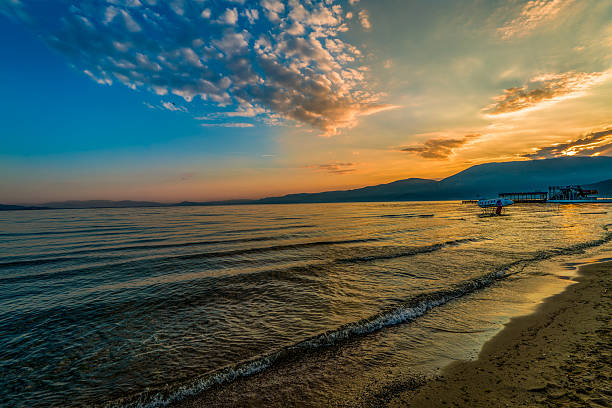
People head out with friends, partners, children, or grandparents. They stroll through the centre, along a pedestrian street, or beside the lake or sea, depending on where they live.
There doesn't have to be a particular destination. You might stop to greet someone, buy an ice cream, sit for a while, or decide to have a coffee.
In my hometown, Pogradec, a walk by the lake is a lovely way to spend time outside and catch up with people.
The word xhiro is useful, but its meaning depends on the context. It can describe a stroll, a short outing, or even a drive. Here, we're talking about a relaxed walk.
You can also say:
It's a simple invitation, and sometimes that's all the planning an evening needs.
Try a little Albanian next time
These everyday moments give you plenty of opportunities to use Albanian naturally.
Invite a friend for coffee with “Pimë një kafe?” Thank a host with “Ishte shumë e shijshme!” Ask someone about their family, or suggest an evening walk.
You don't need perfect Albanian to take part. A few familiar phrases can help you start conversations and feel more comfortable with the people around you.
Which of these habits have you experienced? Does your family or country have something similar? Share your story in the comments below.
And if you'd like to build your Albanian step by step, explore the Learn Shqip self-paced courses, where we practise useful vocabulary, clear grammar, and everyday conversations you can use beyond the lesson.

Written by me, KlaudioI'm a native speaker from Pogradec and I teach Albanian from A1 to C2. More about me
